Rewired and Recovered: How Neuroscience Heals Trauma
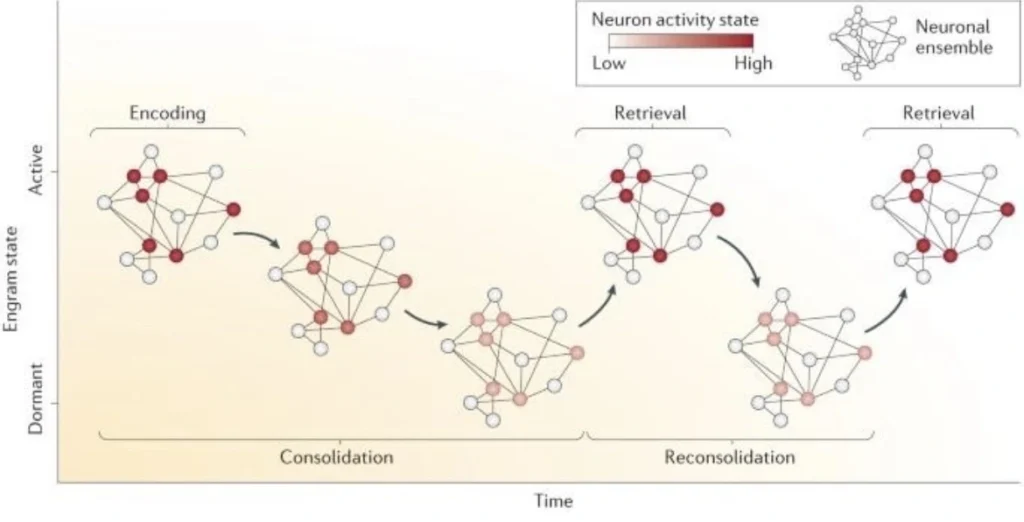
One of the most exciting discoveries in modern neuroscience is that painful emotional memories are not permanently fixed. Under the right conditions, the brain can actually rewrite the emotional meaning of traumatic memories. This process is called memory reconsolidation, and it is at the heart of genuine transformational change.
For many years, psychology believed that trauma treatment meant learning to manage symptoms. We now know that something much more profound is possible.
When a traumatic memory is reactivated, it briefly enters a flexible state. During this window, if the brain experiences new emotional information that fundamentally contradicts the old learning, the emotional memory can be updated before it is stored again.
The original fear, shame, helplessness or self-blame no longer carries the same emotional charge. Rather than simply coping with the memory, the person experiences it differently.
This is transformational change.
Instead of thinking, “I’m trying not to feel anxious,” the person discovers that the anxiety no longer arises in the same way because the brain has revised the underlying emotional learning.
Evidence-Based Therapies Using Brain Plasticity
Two evidence-based therapies intentionally use this remarkable capacity of the brain.
Coherence Therapy focuses on uncovering the hidden emotional beliefs that once made perfect sense, often in childhood. These beliefs may include ideas such as “I’m not safe,” “I don’t matter,” or “I must always be perfect.”
Once these unconscious learnings become fully conscious, they are paired with new experiences that directly contradict them. This creates the conditions for memory reconsolidation and lasting change.
EMDR (Eye Movement Desensitisation and Reprocessing) also activates traumatic memories while helping the brain process them in a new way. Through bilateral stimulation and carefully guided processing, distressing memories become integrated into a broader, healthier understanding of the past. Many people find that memories which once felt vividly present gradually become simply part of their history rather than something they continue to relive.
Both approaches share an important principle: lasting healing comes from changing the brain’s emotional learning, not simply controlling symptoms.
Transformational Therapy vs Coping Strategies
This is why transformational therapy feels different from learning coping strategies alone. Coping skills are valuable and often necessary, but they usually help us manage difficult feelings. Memory reconsolidation goes a step further by helping the brain no longer generate those same emotional responses in the first place.
When this happens, people often describe the experience with simple but powerful words:
“It no longer feels true.”
“I know what happened, but it doesn’t define me anymore.”
“I don’t have to fight it now, it has simply changed.”
That is the promise of memory reconsolidation: not forgetting the past, but allowing the brain to transform how the past lives within us.
True healing is not about becoming someone different.
It is about becoming free to be who you have always been.