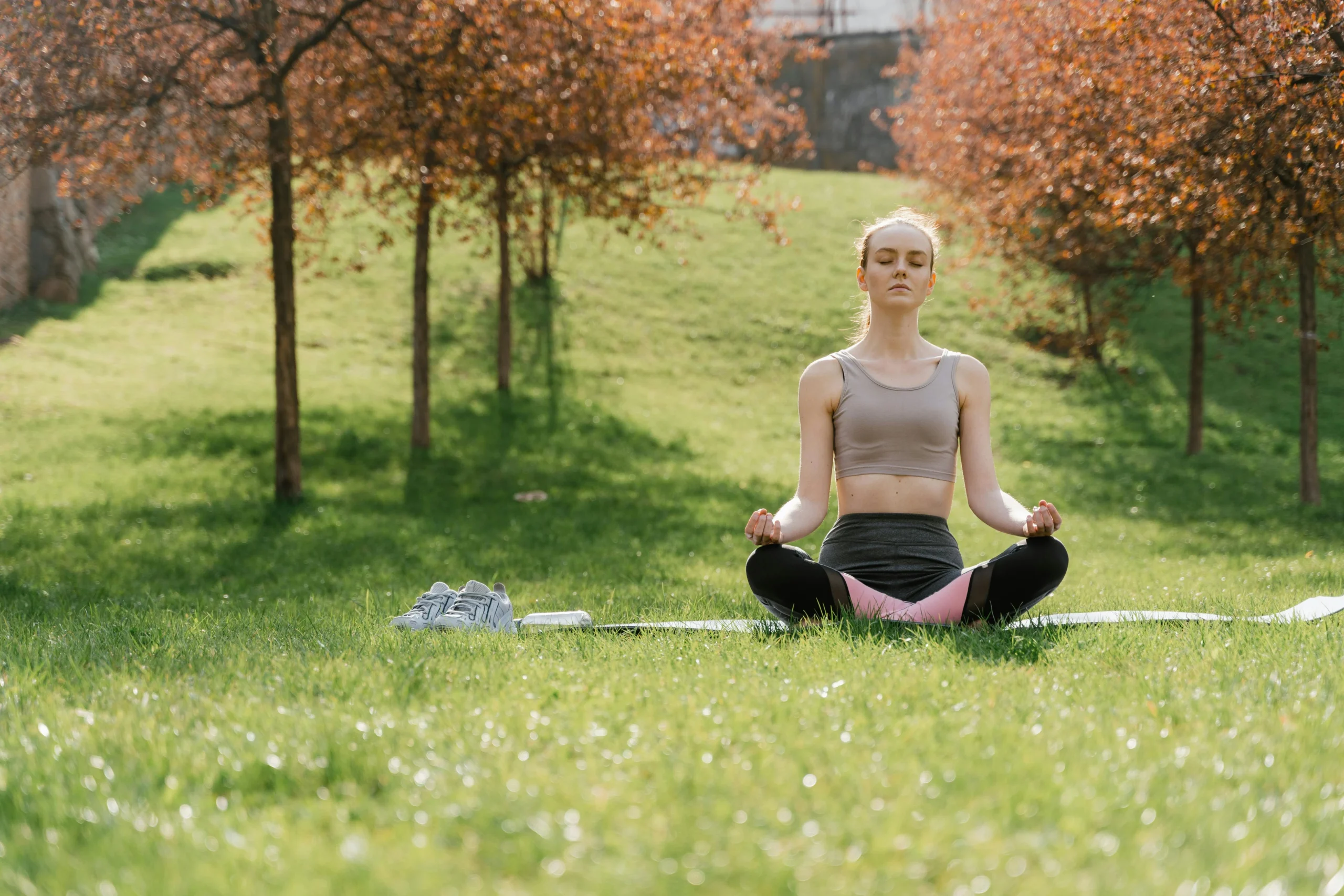
Many people are curious about hypnosis and meditation, but also uncertain. Are they evidence-based? Are they similar? And can they genuinely help with anxiety?
This article offers a clear, grounded introduction to the science, techniques, and therapeutic uses of hypnosis and meditation, including practical ways to begin.
The Scientific Ground of Hypnosis
Hypnosis is not stage magic or loss of control, it is a natural, focused state of attention.
Research in neuroscience shows that during hypnosis:
- There is increased focused attention and absorption
- Reduced activity in the brain’s default mode network (linked to self-critical thinking and rumination)
- Greater connectivity between intention and perception, allowing suggestions to be experienced more vividly
Studies using fMRI (e.g. David Spiegel) demonstrate that hypnosis can alter how the brain processes pain, emotional responses, and bodily sensations.
This is why hypnosis is now widely used in clinical settings, including pain management, trauma work, and anxiety treatment.
What is Hypnosis?
Hypnosis is a state of:
- focused attention
- reduced peripheral awareness
- increased responsiveness to suggestion
Importantly, you remain aware and in control. It is closer to being deeply absorbed in a book or film than being “asleep.”
Hypnosis Techniques (Including Self-Hypnosis)
Guided Hypnosis
A therapist uses language to guide attention inward:
- calming imagery
- focused breathing
- therapeutic suggestions
Self-Hypnosis
A powerful and practical skill. It involves entering a relaxed, focused state and giving yourself some suggestions.
Imagery-Based Techniques
Using mental imagery to:
- rehearse new behaviours
- process emotional experiences
- create a sense of safety
Body-Based Hypnosis
Combining attention with bodily awareness:
- heaviness/lightness
- warmth
- breathing rhythms
Applications of Hypnotic Techniques
Hypnosis is used across many areas of psychological and medical care:
- Anxiety and stress regulation
- Trauma and emotional processing
- Pain management (including chronic pain)
- Sleep difficulties
- Habit change (e.g. smoking, overeating)
- Psychosomatic symptoms
It is especially useful in trauma therapy because it helps regulate the nervous system while maintaining awareness.
Can Hypnosis Help with Anxiety?
Yes, when used appropriately, hypnosis can be very effective for anxiety.
It works by:
- reducing physiological arousal
- interrupting repetitive worry loops
- strengthening a sense of internal control
- creating new emotional associations
Rather than “removing anxiety,” hypnosis helps people develop a different relationship with their internal experience.
Meditation vs Hypnosis – What’s the Difference?
While they overlap, they have different intentions:
| Meditation | Hypnosis |
| Observing experience | Shaping experience |
| Non-judgmental awareness | Guided suggestion |
| Letting thoughts come and go | Intentionally directing attention |
| Often self-led | Often guided (but can be self-directed) |
In simple terms:
- Meditation = awareness
- Hypnosis = influence
Both can be deeply therapeutic and are often used together.
Practising Mindfulness
Mindfulness is the foundation of many meditation practices.
It involves:
- paying attention to the present moment
- without judgment
- with curiosity rather than control
There is no need to “empty the mind”, the practice of meditation is about accepting the mind-body system.
Meditation for Health Anxiety
Health anxiety often involves heightened body awareness and catastrophic interpretation of sensations.
Meditation can help by:
- shifting from interpretation to observation
- reducing reactivity to bodily sensations
- increasing tolerance of all stimuli-pleasant or unpleasant
- Training your mind to accept what there is, and therefor allow release of ‘mindjunk’
By accepting what there is, you roll on with life without unnecessary resistance. Acceptance doesn’t mean you put up with things you don’t want, it means, you acknowledge the truth if the moment, and start from that point
Hypnosis Practice Techniques for Daily Life
You can integrate hypnotic principles into everyday routines:
- Micro-focus: take 30 seconds to fully attend to one sensation (breath, touch)
- Suggestion phrases: repeat calming or empowering statements
- Visual rehearsal: imagine handling a situation calmly before it happens
- State anchoring: associate calm with a physical gesture (e.g. touching fingers together)
These small practices build self-regulation over time.
Hypnosis and meditation are not mystical or obscure, they are trainable mental skills grounded in how the brain naturally works.
Both offer greater emotional regulation, reduced reactivity, and deeper connection with internal experience.
For many people, especially those dealing with anxiety or trauma, they provide a way to move from: feeling overwhelmed by the mind to feeling supported by it.